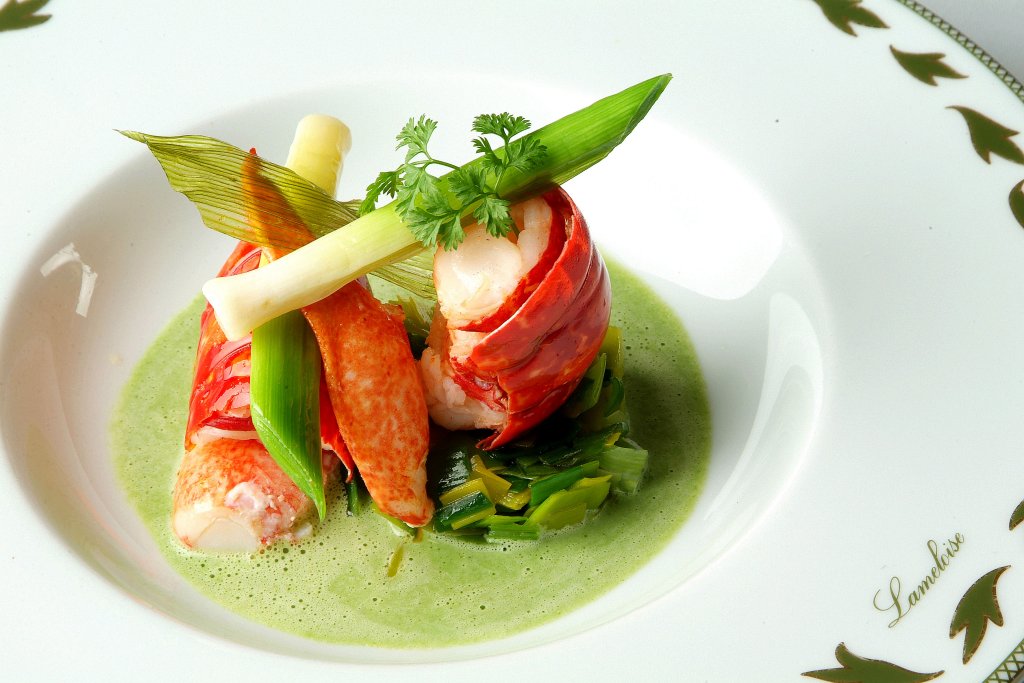
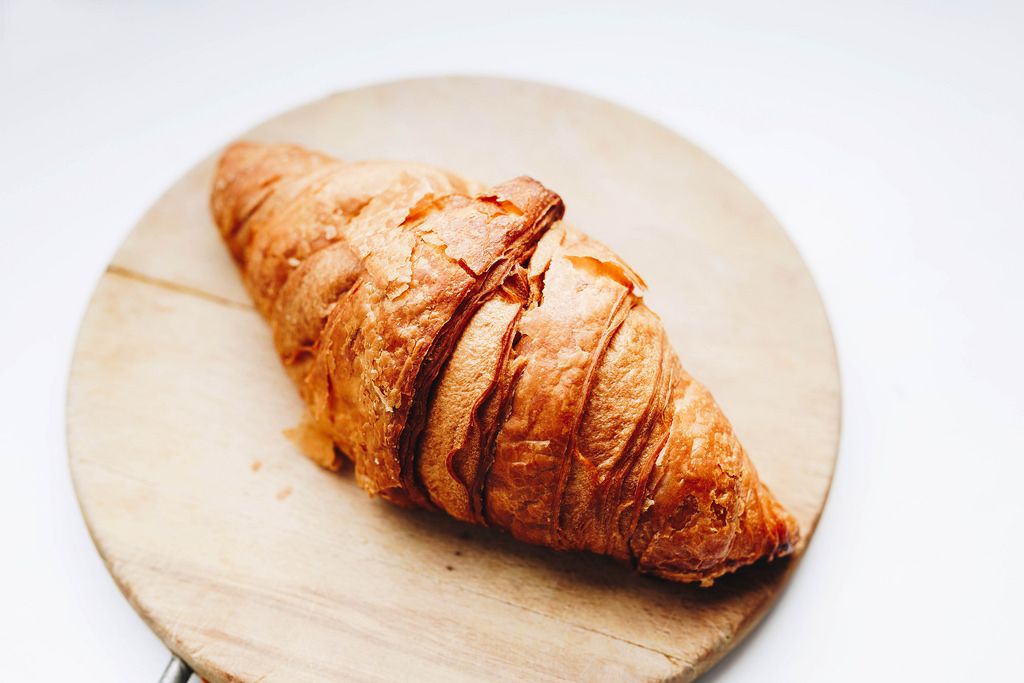
The historical background of French food goes back to the medieval times. During this era, meals were served at the same time, and there were comprised of spiced meats. The presentation of the food was critical; the richer and more beautiful the display, the better. During the 15th and 16th centuries, the French were infuenced by the progressing culinary arts in Italy, which happened because of the marriage between Catherine de' Medici (a Florentine princess) and Henry duc d'Orleans, who later became King Henry II. Italians were way ahead of French culinary specialists. Despite the facts that the culinary cultures of these two nations are distinctively different, the French owe a lot of their culinary advancement to the Italians and their interventions in the 1500s.
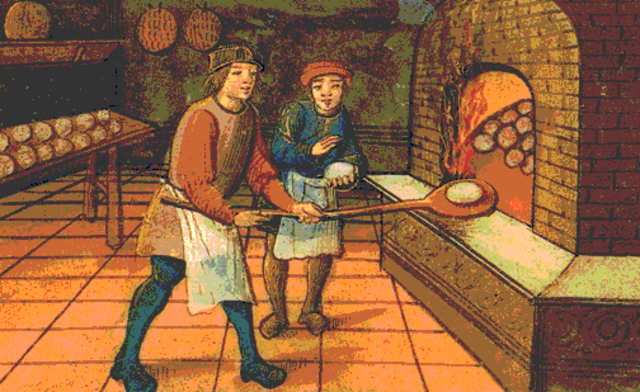

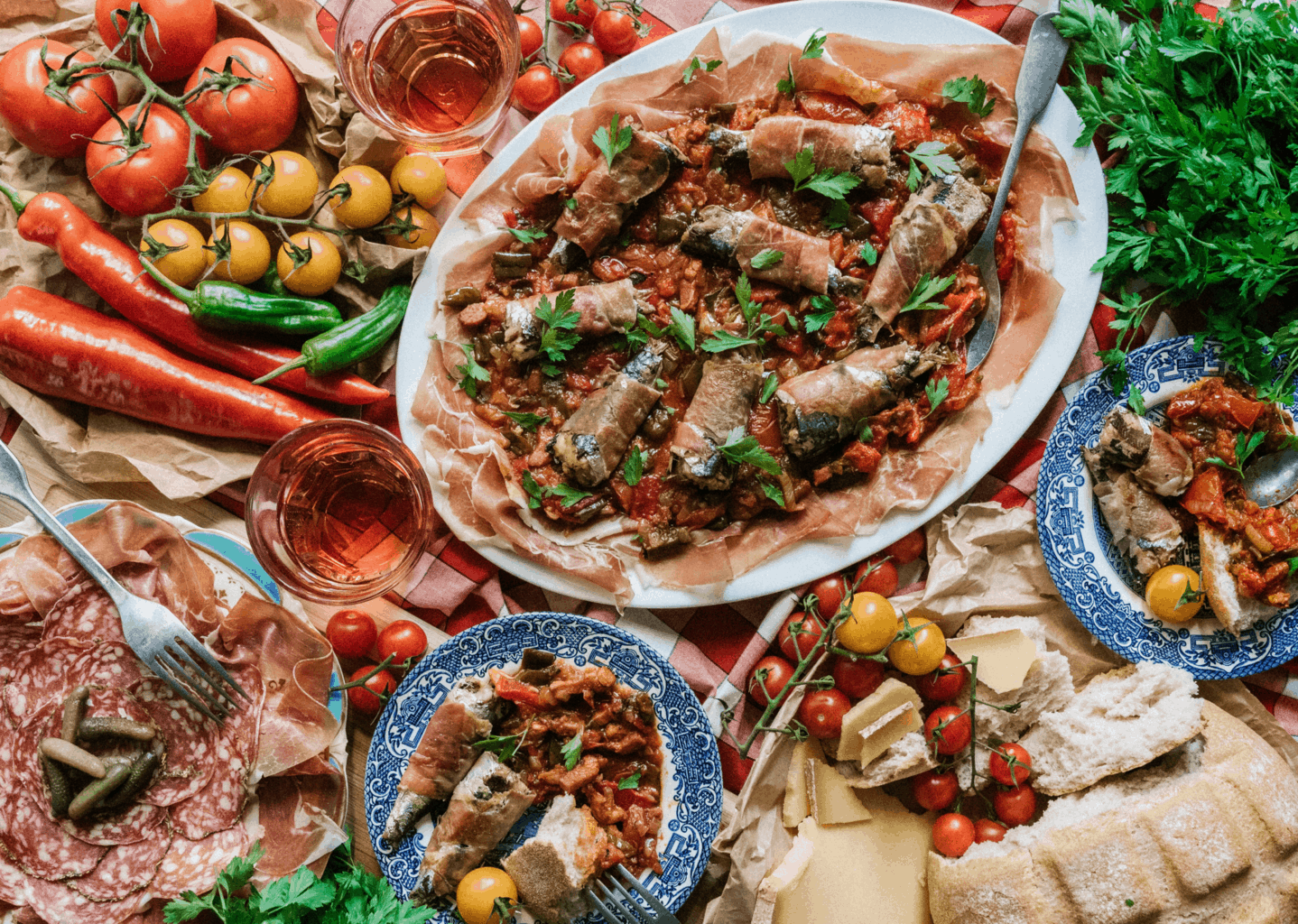
By the end of the 17th century and well into the 18th, cookbooks on “cuisine bourgeoise” became very popular in France. This cuisine, typically buttery, rich in meat, sauces and cooked for hours in simmering jus (juices), was an adaption of aristocratic food served at court. Regional dishes like coq-au-vin (rooster with wine), boeuf bourguignon (beef stew), bouillabaisse (fish stew) and gratin dauphinois (potato and crème fraîche dish), as well as the mother sauces made from roux like béchamel, hollandaise or the espagnole, are all examples of this cuisine.
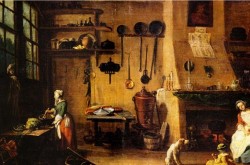


Georges Auguste Escoffier is considered to be the founder of haute cuisine or gourmet French food, in which the cooks had their own roles in preparing and making food in the 19th and early 20th centuries. He became a world renown celebrity chef, employed in major cities all over the globe. His Guide Culinaire became a bible of sorts that established culinary “rules” and ensured a uniform education for future chefs. It was also in the 19th century that Le Cordon Bleu, the iconic school of culinary arts, started offering classes.
World War I heralded the beginning of modern French cuisine. Improved transportation during the first half of the 20th century spread the wealth and regional cuisine that had previously been segregated. World War II veterans, who had experienced the glories of European sights and cuisine, created a flurry of tourism that furthered the need for grand cuisine at a fair price. In the 1960s, a new way of cooking helmed by chef Paul Bocuse and others emphasized freshness, lightness, and clarity of flavor in a movement known as nouvelle cuisine. This new way of cooking got rid of unnecessary and complicated steps. By the mid-1980s, however, nouvelle cuisine had reached its saturation point and many chefs began returning to the haute cuisine style of cooking, although much of the lighter presentations and new techniques remained.
Today, French cuisine rides a fine line between haute and nouvelle styles. Just like in the past, it focuses attentively on the quality, flavor, and appearance of food. French food is not only delicious and beautiful, it also shows different sides of France's culture, as well as the innovations and creations throughout the centuries.